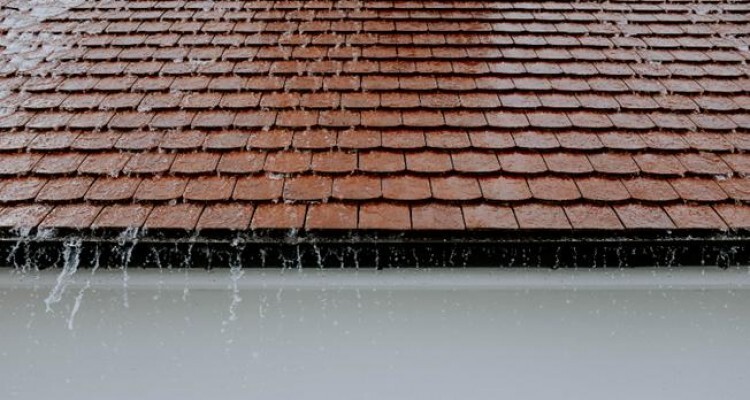
The main purpose of a roof is to protect a house from precipitation, wind, and temperature fluctuations. Unfortunately, under certain conditions, any roofing system can start to leak. This is a serious problem, as leaks can damage insulation within the roof structure, cause the wooden elements of the rafter system to rot, lead to mold due to moisture, and ruin interior finishes.
In this article, we will examine the main causes and explain why roofs made of metal tiles, corrugated sheets, slate, and bituminous shingles may start to leak.
Roof Leaks Depending on Roofing Material:
Metal roofs (metal tiles, corrugated sheets)
Owners of private houses often complain about leaking metal roofs. The main reasons include:
• Insufficient or incorrect overlap of sheets. If the overlap is too small or damaged due to deformed edges, water can penetrate under the sheet, especially during heavy rain.
• Screws installed at an angle or too loosely. Metal roofing expands when heated by the sun and contracts in cold weather. These temperature changes can weaken the tightness of fasteners, allowing water to seep in.
Another common cause of leaks around screws is low-quality sealing washers. After a few years, such seals deteriorate due to sun exposure, making the roof non-hermetic.
• Damaged protective coating that prevents corrosion. This is common when cheaper materials are used. The metal in such sheets is often thinner, as is the anti-corrosion layer. As a result, leaks may appear after a few years.
• Improper installation of connections around chimneys, stoves, and ventilation outlets. These areas are especially prone to losing tightness, allowing water to penetrate under the roofing.
• Condensation on metal. Often, what appears to be a leak is actually condensation, which forms actively on metal roofs.
Slate roofing
If a slate roof leaks, it is almost always due to cracks and chips, as this material is quite fragile. Damage can occur during installation or while removing snow and ice.
Additionally, large holes remain around nails, and gaps in overlaps can become sources of leaks.
Bituminous shingles
Leaks in bituminous shingle roofs are often caused by installation errors. Improperly prepared decking, lack of underlayment, or mistakes in critical areas such as valleys or connections can quickly lead to water penetration.
If the shingles do not adhere properly to the base, wind can blow snow and debris underneath, worsening the problem.
It is also important to be careful when removing snow and ice from the roof. Using metal shovels can damage the shingles, so it is recommended to use special tools without metal edges and not to remove snow completely, leaving a protective layer.
Natural tiles
Although this material is considered one of the most durable roofing options, it can also leak, especially if installation and maintenance rules are not followed.
Main causes of leaks in natural tile roofs:
• Low roof slope, which prevents water from draining quickly
• Damage to the rafter system and deformation of the battens, causing tiles to shift and lose tightness
• Improper installation of ridges, valleys, and junctions
When Roof Leaks Occur Most Often
• After rain in summer and autumn, when heavy and prolonged rainfall occurs. During such periods, many homeowners notice leaks as water penetrates overlaps, fasteners, valleys, and junctions.
• In spring, during snow and ice melting. Meltwater freezes at night, and expanding ice damages overlaps and other vulnerable areas.
Roof leaks are easier to prevent than to fix after they occur. A properly installed roof ensures the durability of the entire structure and maintains comfort in the home for many years. Choosing high-quality roofing materials is a crucial step.
At TOPHOUSE.LV, we offer only proven solutions for your home: standing seam roofing, metal tiles, corrugated sheets, bituminous shingles, asbestos-free slate, concrete and clay tiles — all available in Riga!
In this article, we will examine the main causes and explain why roofs made of metal tiles, corrugated sheets, slate, and bituminous shingles may start to leak.
Roof Leaks Depending on Roofing Material:
Metal roofs (metal tiles, corrugated sheets)
Owners of private houses often complain about leaking metal roofs. The main reasons include:
• Insufficient or incorrect overlap of sheets. If the overlap is too small or damaged due to deformed edges, water can penetrate under the sheet, especially during heavy rain.
• Screws installed at an angle or too loosely. Metal roofing expands when heated by the sun and contracts in cold weather. These temperature changes can weaken the tightness of fasteners, allowing water to seep in.
Another common cause of leaks around screws is low-quality sealing washers. After a few years, such seals deteriorate due to sun exposure, making the roof non-hermetic.
• Damaged protective coating that prevents corrosion. This is common when cheaper materials are used. The metal in such sheets is often thinner, as is the anti-corrosion layer. As a result, leaks may appear after a few years.
• Improper installation of connections around chimneys, stoves, and ventilation outlets. These areas are especially prone to losing tightness, allowing water to penetrate under the roofing.
• Condensation on metal. Often, what appears to be a leak is actually condensation, which forms actively on metal roofs.
Slate roofing
If a slate roof leaks, it is almost always due to cracks and chips, as this material is quite fragile. Damage can occur during installation or while removing snow and ice.
Additionally, large holes remain around nails, and gaps in overlaps can become sources of leaks.
Bituminous shingles
Leaks in bituminous shingle roofs are often caused by installation errors. Improperly prepared decking, lack of underlayment, or mistakes in critical areas such as valleys or connections can quickly lead to water penetration.
If the shingles do not adhere properly to the base, wind can blow snow and debris underneath, worsening the problem.
It is also important to be careful when removing snow and ice from the roof. Using metal shovels can damage the shingles, so it is recommended to use special tools without metal edges and not to remove snow completely, leaving a protective layer.
Natural tiles
Although this material is considered one of the most durable roofing options, it can also leak, especially if installation and maintenance rules are not followed.
Main causes of leaks in natural tile roofs:
• Low roof slope, which prevents water from draining quickly
• Damage to the rafter system and deformation of the battens, causing tiles to shift and lose tightness
• Improper installation of ridges, valleys, and junctions
When Roof Leaks Occur Most Often
• After rain in summer and autumn, when heavy and prolonged rainfall occurs. During such periods, many homeowners notice leaks as water penetrates overlaps, fasteners, valleys, and junctions.
• In spring, during snow and ice melting. Meltwater freezes at night, and expanding ice damages overlaps and other vulnerable areas.
Roof leaks are easier to prevent than to fix after they occur. A properly installed roof ensures the durability of the entire structure and maintains comfort in the home for many years. Choosing high-quality roofing materials is a crucial step.
At TOPHOUSE.LV, we offer only proven solutions for your home: standing seam roofing, metal tiles, corrugated sheets, bituminous shingles, asbestos-free slate, concrete and clay tiles — all available in Riga!